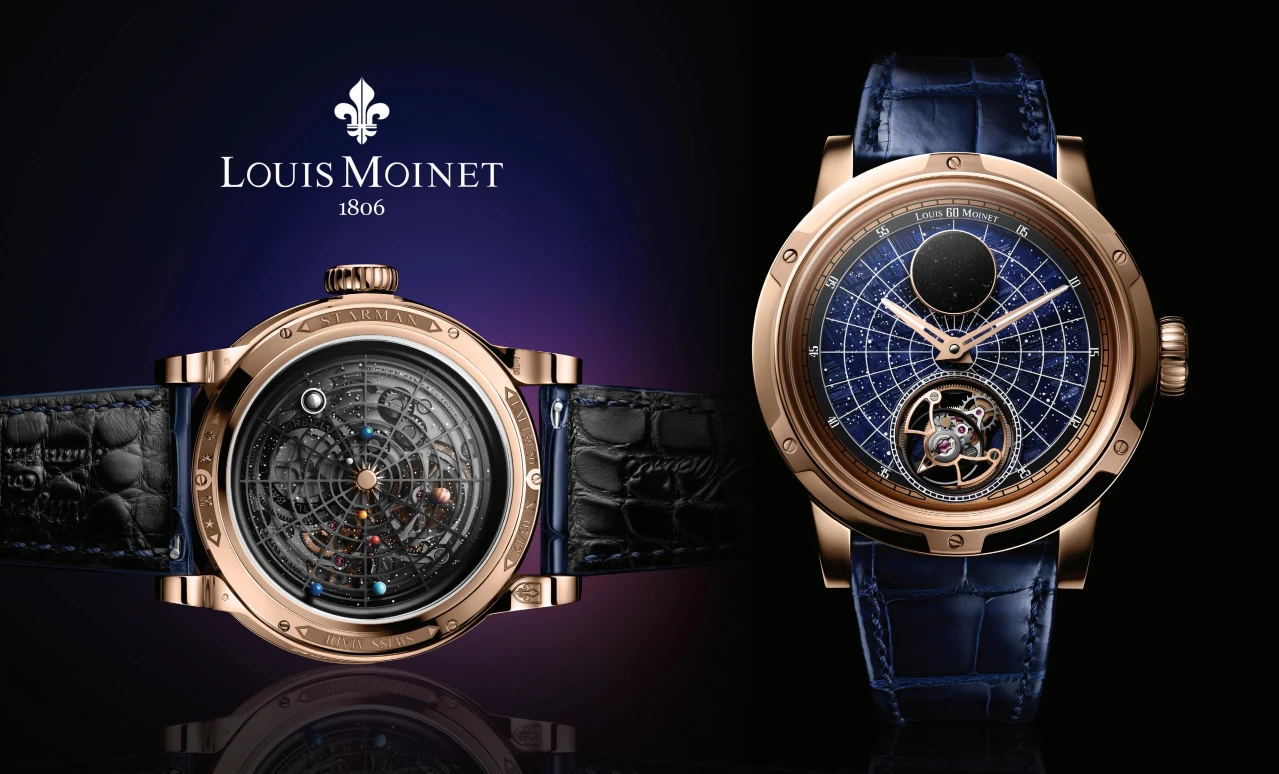
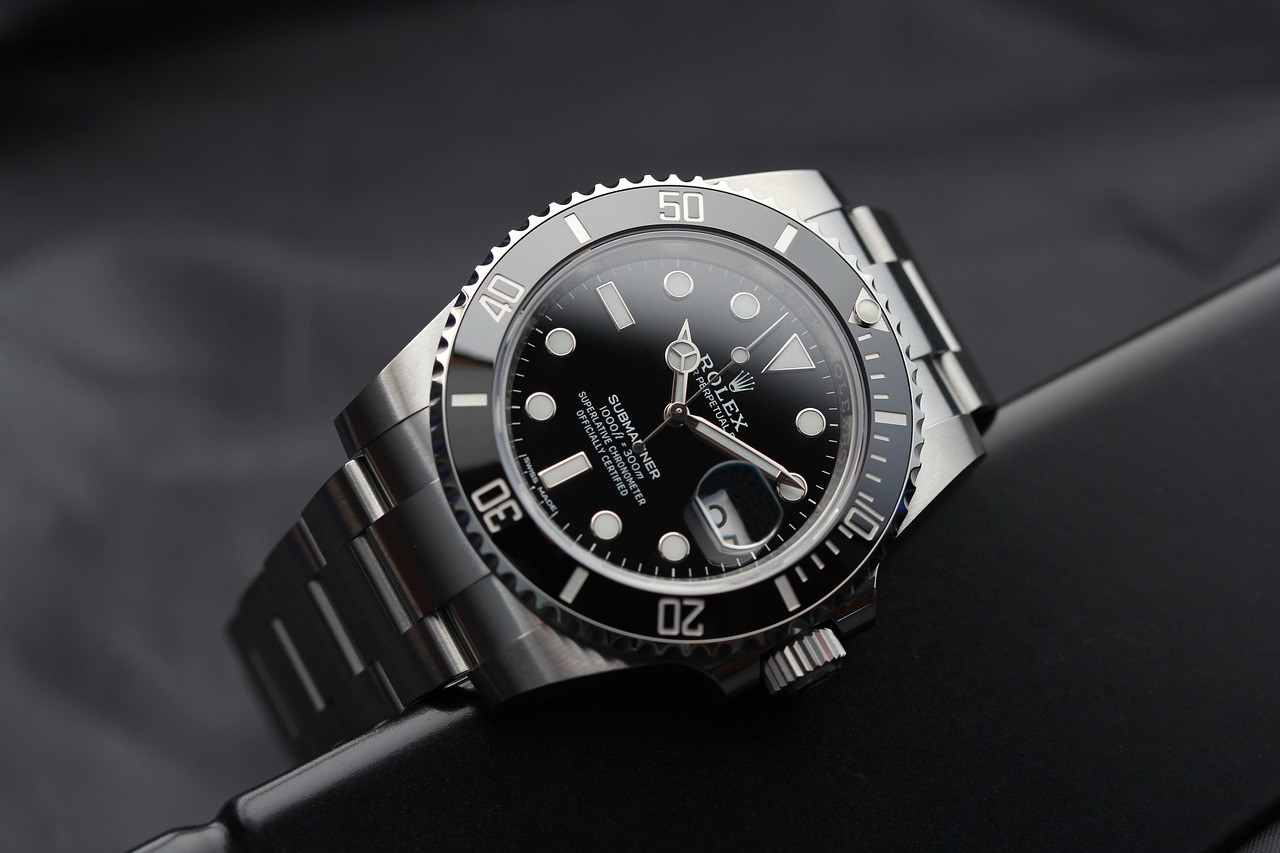
Let’s be honest. Most of us admire luxury watches. The design, the weight, the way they sit on the wrist — everything feels premium. But not everyone wants to spend ₹5 lakh or more on a watch. That’s where first copy watches usually enter the conversation, especially among college students, young professionals, and people who simply like a premium look without heavy spending.
If you’ve ever wondered whether these watches are worth it, how they are different from originals, or what mistakes people make while buying them, this guide is for you. I’m not here to sell anything. Just sharing what buyers should realistically know.
![$node['alt']](https://i.postimg.cc/1t5gnxSG/first-copy-watches.webp)
What do people usually mean by “first copy watches”?
When people use this term in India, they usually mean watches that are inspired by premium brands and look very similar in design. The goal is appearance, not heritage or long-term value.
-
Similar dial layout
-
Familiar strap style
-
Premium-looking finish
-
Brand legacy
-
In-house movements
-
Lifetime durability
Think of them as a design alternative, not a replacement for a luxury watch.
Why are these watches so popular in India?
A big reason is pricing. Original luxury watches cost more than many people’s yearly savings. But style aspirations are real.
-
They want a premium look for office or weddings
-
They wear watches occasionally, not daily
-
They don’t want stress while travelling or commuting
-
Fashion matters more than long-term value
For many buyers, it’s a practical decision, not an emotional one.
How much do first copy watches usually cost in India?
Prices vary a lot depending on quality, movement, and finishing.
![$node['alt']](https://i.postimg.cc/CK4Bxh3v/first-copy-watch-dial.webp)
-
₹1,500 – ₹2,500: Basic quartz models, light build
-
₹3,000 – ₹5,000: Better finishing, heavier feel
-
₹6,000 – ₹10,000: Automatic-style movement, closer detailing
Anything above this usually gives diminishing returns. Paying ₹15,000+ rarely makes sense in this segment.
How different are they from original luxury watches?
This is where expectations matter. No alternative can fully match a genuine luxury watch.
Quick comparison for clarity
| Aspect | Luxury Watch | First Copy / Inspired Watch |
|---|---|---|
| Design | Original, iconic | Very similar design |
| Movement | In-house or Swiss | Quartz or basic automatic |
| Build quality | Excellent | Decent to good |
| Longevity | 10–20+ years | 1–3 years average |
| Price | ₹3 lakh+ | ₹2k – ₹10k |
If someone tells you there’s “no difference”, that’s simply not true.
Should you choose quartz or automatic-style models?
This is one decision many buyers ignore.
-
More accurate
-
Less maintenance
-
Better for daily use
-
Usually cheaper
-
Heavier feel
-
Smooth second hand movement
-
More mechanical appeal
-
Slightly higher maintenance
If you want peace of mind, quartz is safer. If you like the feel of a mechanical watch and wear it often, automatic-style can be fine.
How to check quality before buying?
You don’t need expert knowledge. Just observe small things.
-
Dial alignment (markers should not tilt)
-
Weight (too light often feels cheap)
-
Strap stitching and flexibility
-
Crown movement (should not feel loose)
-
Back case finishing
If possible, always check product photos from multiple angles. One perfect photo usually hides flaws.
Common mistakes buyers make
![$node['alt']](https://i.postimg.cc/hjPJzFn2/first-copy-watches-faq.webp)
This is where most regret comes from.
1. Paying too much for branding illusion
Higher price does not always mean better quality here. Set a limit and stick to it.
2. Expecting original-level performance
These watches are about looks. Expecting decade-long durability leads to disappointment.
3. Ignoring movement type
Many buyers don’t even know if the watch is quartz or automatic. That affects daily usage.
4. Skipping size check
Some designs look good online but feel oversized on Indian wrists. Case size matters.
5. Believing exaggerated claims
Words like “exact”, “same”, or “master level” are marketing terms. Reality is always somewhere in the middle.
Are first copy watches suitable for daily use?
Short answer: depends on usage.
-
You wear them occasionally
-
You rotate between watches
-
You handle them carefully
-
You do heavy physical work
-
You need water resistance daily
-
You want a watch for 5–10 years
Treat them like fashion accessories, not lifetime investments.
FAQs people genuinely ask
1. Will people notice it’s not original?
Most people don’t. Only watch enthusiasts usually notice small differences.
2. Can these watches be repaired?
Minor repairs are possible, but spare parts availability is limited.
3. Are they good for gifting?
They can be, if the receiver understands what they are and values design over brand legacy.
4. Do automatic-style models stop working quickly?
They need regular wearing or winding. If left unused, they stop — that’s normal.
5. Is spending more always safer?
TNot really. Quality depends more on finishing and movement than price alone.
Final thoughts
First copy watches exist because there is demand for premium-looking accessories at realistic prices. There’s nothing wrong with choosing an alternative if you are clear about your expectations.
Buy them for style, not status.
Wear them for occasions, not validation.
And never stretch your budget thinking it’s “almost the same” as the original.
If you approach it with clarity, you’re less likely to feel disappointed later.